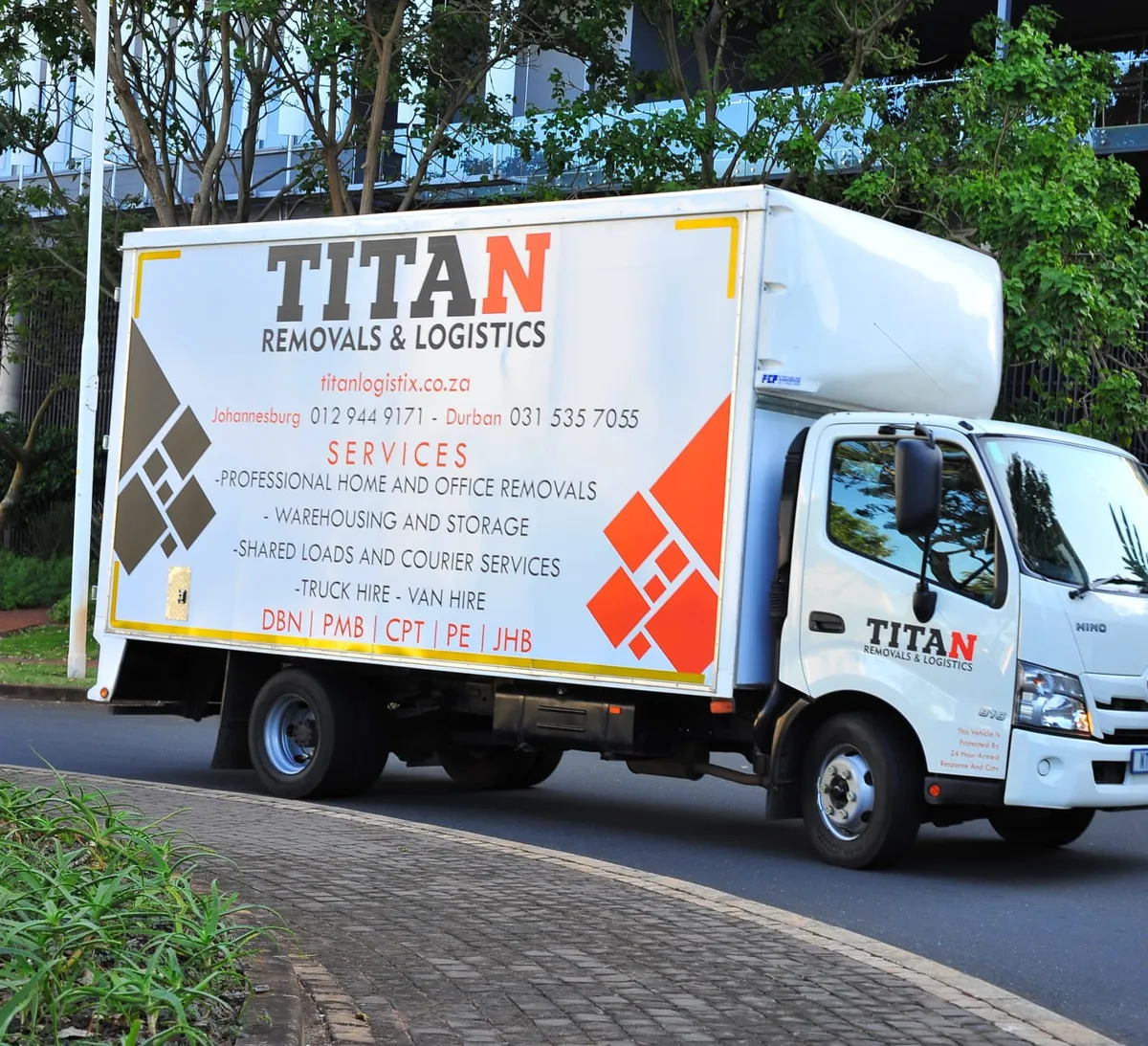
The moving industry is experiencing a technological revolution. From AI-powered route optimization to smart inventory management, technology is transforming how moving companies operate and serve their customers in 2025.
The Digital Transformation of Moving
Traditional moving operations relied heavily on manual processes, paper-based documentation, and experience-based decision making. Today’s smart moving companies leverage advanced technologies to deliver more accurate quotes, optimized logistics, and enhanced customer experiences.
This digital transformation isn’t just about adopting new tools—it’s about fundamentally reimagining how moving services are planned, executed, and delivered to create value for both companies and customers.
Key Technologies Reshaping the Industry
AI-Powered Route Optimization
Artificial intelligence is revolutionizing logistics planning by analyzing multiple variables simultaneously:
- Real-time traffic data integration for dynamic route adjustments
- Weather pattern analysis to avoid delays and hazards
- Fuel cost optimization across multiple delivery points
- Vehicle capacity matching to job requirements
- Driver schedule optimization to maximize efficiency
Impact:
Companies using AI route optimization report up to 25% reduction in fuel costs and 30% improvement in on-time deliveries.
Smart Inventory Management
Digital inventory systems are replacing traditional paper-based tracking:
- QR code scanning for instant item identification
- Photo documentation with automatic categorization
- Real-time inventory updates accessible to customers
- Damage detection algorithms using computer vision
- Automated insurance claims processing
IoT and Real-Time Tracking
Internet of Things (IoT) devices provide unprecedented visibility into the moving process:
- GPS tracking with minute-by-minute location updates
- Temperature monitoring for sensitive items
- Shock sensors to detect rough handling
- Door sensors for security monitoring
- Humidity controls for artwork and electronics
Customer Experience Innovations
Technology isn’t just improving operational efficiency—it’s transforming the customer experience:
Virtual Surveys
AI-powered video surveys allow customers to get accurate quotes without in-person visits.
- • 3D room scanning technology
- • Automated volume calculations
- • Instant quote generation
Mobile Apps
Comprehensive mobile platforms put control in customers’ hands.
- • Real-time tracking and updates
- • Digital documentation
- • Direct communication with crews
Predictive Analytics
Machine learning predicts potential issues before they occur.
- • Weather delay predictions
- • Traffic pattern analysis
- • Equipment failure prevention
Automated Communication
Smart systems keep customers informed throughout the process.
- • Automated status updates
- • Proactive delay notifications
- • Completion confirmations
The ROI of Smart Moving Technology
Investment in smart moving technology delivers measurable returns across multiple areas:
Technology ROI Metrics
25%
Reduction in operational costs
40%
Improvement in customer satisfaction
60%
Faster quote generation
30%
Reduction in damage claims
Challenges and Solutions
While technology offers tremendous benefits, implementation comes with challenges:
Challenge: High Initial Investment
Advanced technology systems require significant upfront capital investment.
Solution: Phased implementation and cloud-based solutions reduce initial costs while providing scalability.
Challenge: Staff Training Requirements
New technologies require comprehensive staff training and change management.
Solution: User-friendly interfaces and comprehensive training programs ensure smooth adoption.
Challenge: Data Security Concerns
Increased digitization raises concerns about customer data protection and privacy.
Solution: Robust cybersecurity measures and compliance with data protection regulations.
Future Trends in Smart Moving
The future of moving technology promises even more exciting developments:
Autonomous Vehicles
Self-driving trucks for long-distance moves, reducing costs and improving safety through advanced navigation systems.
Augmented Reality
AR-powered space planning and virtual furniture placement to optimize packing and unpacking processes.
Robotics
Robotic assistants for heavy lifting and precise placement of fragile items, reducing injury risk and damage.
Blockchain
Secure, transparent documentation and smart contracts for automated insurance claims and payments.