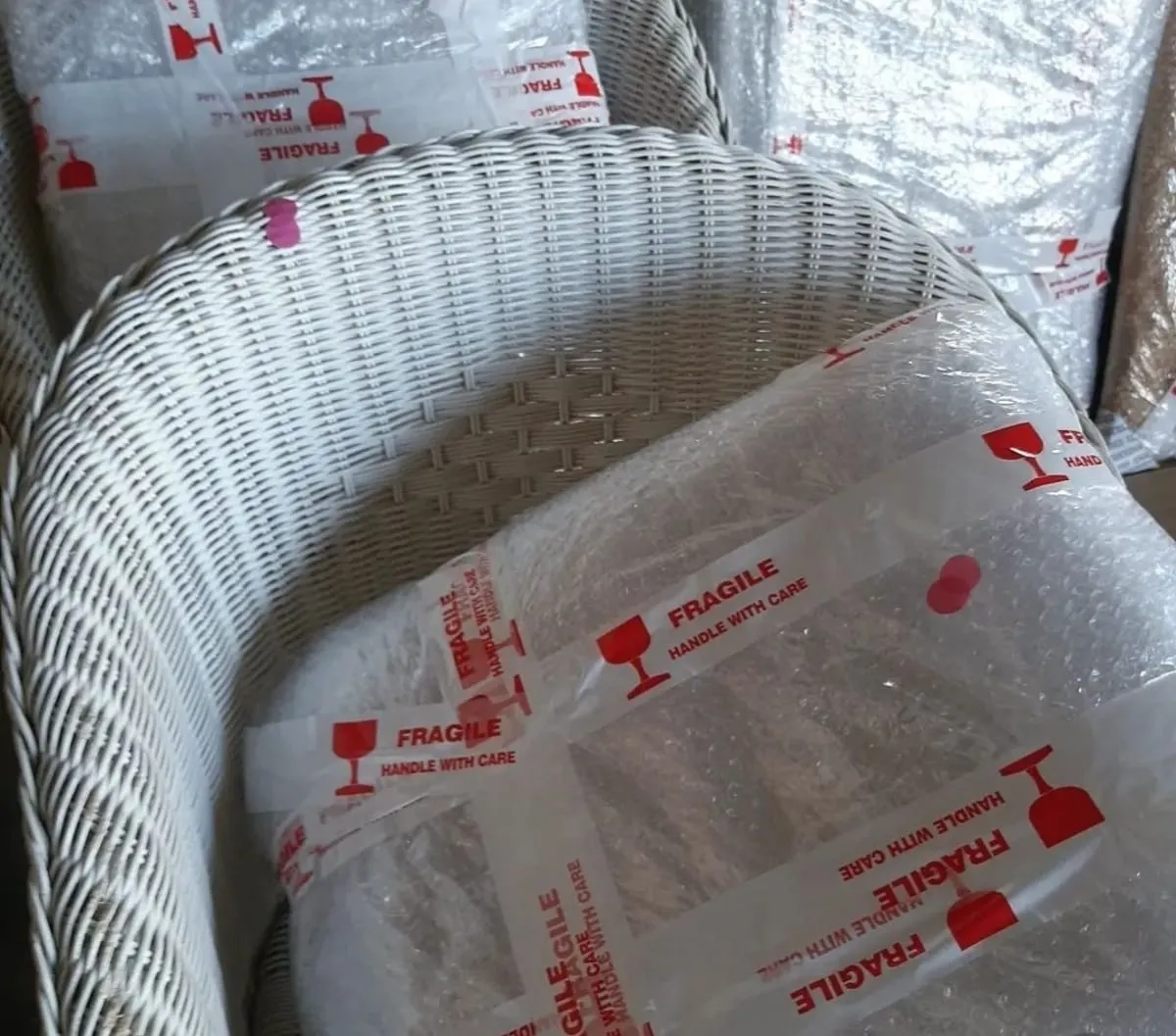
Essential Packing Materials for Fragile Items
Before you start packing, gather the right materials. Quality packing supplies are crucial for protecting your fragile belongings:
- Bubble wrap - The gold standard for cushioning delicate items
- Packing paper - Acid-free paper prevents staining and provides cushioning
- Foam sheets - Excellent for wrapping flat items like mirrors and artwork
- Sturdy boxes - Use new or like-new boxes for maximum protection
- Packing tape - High-quality tape ensures boxes stay sealed
- Markers - Clearly label fragile boxes
Step-by-Step Packing Techniques
Glassware and Dishes
Dishes and glassware are among the most commonly damaged items during moves. Here’s how to pack them safely:
- Wrap each item individually in packing paper or bubble wrap
- Use the “bundle wrap” method for plates - wrap 3-4 plates together
- Fill hollow items like glasses with crumpled paper for internal support
- Pack items vertically like records, not flat
- Use dish pack boxes with built-in dividers when possible
Electronics and Appliances
Electronics require special attention due to their sensitivity to shock and moisture:
- Use original packaging when available
- Remove batteries to prevent corrosion
- Wrap in anti-static bubble wrap
- Take photos of cable connections before disconnecting
- Pack cables and accessories in labeled bags
Artwork and Mirrors
Flat, fragile items need special protection against bending and breaking:
- Use mirror boxes or picture boxes designed for flat items
- Wrap in foam sheets or bubble wrap
- Create a cardboard sandwich for extra protection
- Mark “THIS SIDE UP” clearly on boxes
- Never lay flat items horizontally during transport
Professional Packing Tips
The “Room to Breathe” Rule
Don’t overpack boxes. Fragile items need space and cushioning. A properly packed box should have:
- 2-3 inches of cushioning material on all sides
- No empty spaces that allow items to shift
- Weight distributed evenly
- Maximum weight of 50 pounds for easy handling
Labeling and Documentation
Proper labeling is crucial for fragile items:
- Use “FRAGILE” stickers on all sides of boxes
- Include “THIS SIDE UP” arrows when relevant
- List contents on the outside of boxes
- Take photos of valuable items before packing
- Create an inventory list for insurance purposes
Common Packing Mistakes to Avoid
Learn from these frequent errors that lead to damaged items:
- Using newspaper - Ink can stain items and newspaper tears easily
- Overpacking boxes - Heavy boxes are more likely to be dropped
- Mixing fragile and non-fragile items - Keep delicate items separate
- Insufficient cushioning - Items should not touch box walls
- Poor box quality - Used boxes may not provide adequate protection
When to Consider Professional Packing
Some items are best left to professionals:
- Valuable antiques or collectibles
- Large mirrors or artwork
- Complex electronics or musical instruments
- Items with sentimental value that can’t be replaced
- When you’re short on time or packing materials
Final Inspection and Loading
Before your moving day, conduct a final check:
- Shake boxes gently - nothing should rattle
- Ensure all boxes are properly sealed
- Verify all fragile labels are visible
- Create a priority loading list for movers
- Keep valuable items with you if possible