Understanding Moving Insurance in South Africa
Moving insurance, also known as Goods in Transit (GIT) insurance, provides financial protection for your belongings during the moving process. This coverage is essential for safeguarding your valuable possessions against damage, loss, or theft.
Why Moving Insurance is Essential
Protects against unexpected damage during transport
Covers loss or theft of belongings
Provides peace of mind during stressful moves
Required by law for professional moving companies
Covers items that home insurance might not during transit
Types of Moving Insurance Coverage
Choose the right protection level for your move. Each coverage type offers different levels of security for your valuable belongings.
Basic
Basic Liability Coverage
Minimum required protection
This is the minimum coverage required by law and is usually included in your moving quote. However, it provides limited protection based on weight rather than actual value.
Included in moving quote
Weight-based compensation
Premium
Full Value Protection
Comprehensive market value coverage
This comprehensive coverage protects your belongings at their current market value. If items are damaged or lost, you’ll receive compensation based on their actual worth.
Full market value compensation
Complete peace of mind
Custom
Declared Value Coverage
Customizable protection level
You declare the total value of your shipment, and coverage is provided up to that amount. This option allows you to customize your protection level.
Customizable coverage amount
Flexible pricing options
What Moving Insurance Covers
Understanding what’s covered by moving insurance helps you make informed decisions about your protection needs.
Typically Covered Items
Furniture and household goods
Sofas, tables, beds, and all household furniture
Electronics and appliances
TVs, computers, refrigerators, washing machines
Clothing and personal items
Wardrobe, shoes, personal belongings
Books and documents
Important papers, books, files
Artwork and collectibles
With proper valuation and documentation
Common Exclusions
Self-packed items
Items packed by customer (unless professionally packed)
Perishable goods
Food items, medications with expiry dates
Plants and living things
Houseplants, pets, live animals
Hazardous materials
Flammable, explosive, or toxic substances
High-value items
Items of extraordinary value without special arrangements
How to Choose the Right Coverage
Selecting appropriate moving insurance depends on several factors specific to your situation. Consider these key elements when making your decision.
Total Value Assessment
Calculate the total value of your belongings to determine appropriate coverage levels
Distance Considerations
Longer moves typically require more comprehensive coverage due to increased risk
Item Types
Fragile, valuable, or specialty items may need additional protection
Existing Coverage
Review your home insurance to avoid gaps or overlaps in coverage
Risk & Budget
Balance your risk tolerance with budget constraints for optimal coverage
Creating an Inventory for Insurance
A detailed inventory is crucial for insurance claims and helps ensure proper coverage. Follow these best practices for comprehensive documentation.
Photo Documentation
Document all items with high-quality photos and detailed descriptions
• Multiple angles for each item
• Close-ups of serial numbers
• Before and after packing photos
Record Keeping
Maintain detailed records and receipts for all valuable items
• Purchase receipts and warranties
• Professional appraisals
• Serial numbers and model info
Condition Notes
Note the condition of items before packing and moving
• Pre-existing damage documentation
• Wear and tear assessment
• Functional status verification
Professional Appraisals
Get professional appraisals for high-value items
• Jewelry and precious metals
• Artwork and antiques
• Collectibles and rare items
Filing Insurance Claims
If damage or loss occurs during your move, knowing how to file a claim properly is essential for getting fair compensation.
5 Step Claim Filing Process
Document Damage Immediately
Take detailed photos of damaged items from multiple angles before moving or cleaning anything.
Notify Moving Company
Contact your moving company within the required timeframe (usually 24-48 hours) to report the damage.
Complete Claim Forms
Fill out all claim forms accurately and thoroughly, providing detailed descriptions of damaged items.
Provide Documentation
Submit supporting documentation including receipts, photos, appraisals, and any other relevant evidence.
Follow Up Regularly
Stay in contact with the claims department and follow up regularly on the status of your claim.
Tips for Maximizing Protection
Beyond insurance, these proven strategies help protect your belongings during the move and reduce the risk of damage or loss.
Choose Reputable Movers
Select licensed, insured moving companies with proven track records and positive reviews.
Professional Packing
Use professional packing services for fragile, valuable, or specialty items.
Clear Labeling
Clearly label boxes with fragile contents and handling instructions.
Keep Valuables Close
Transport valuable items, important documents, and irreplaceable items personally.
Delivery Inspection
Thoroughly inspect all items upon delivery before signing the delivery receipt.
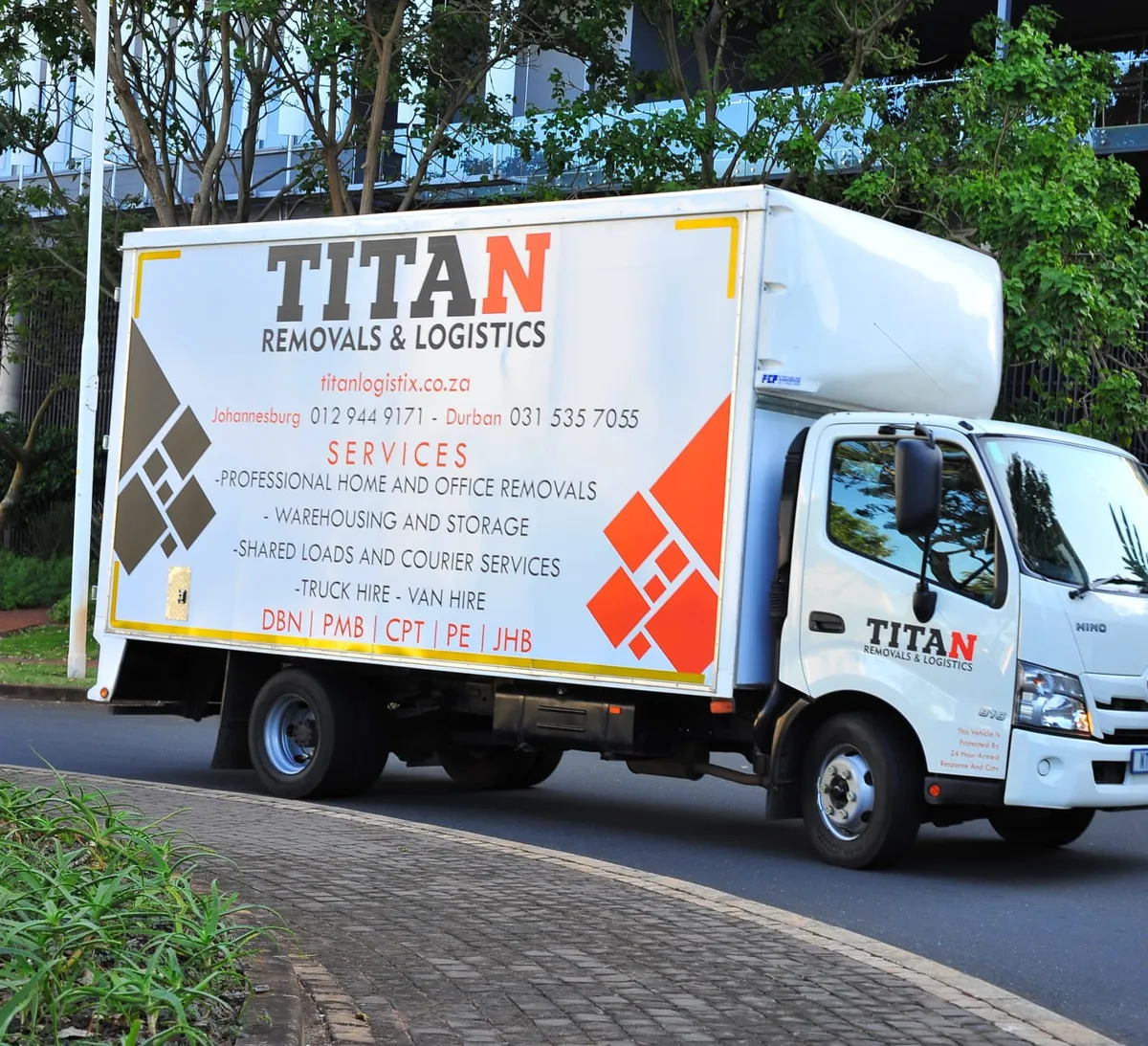
All Titan Logistix Moves Are Insured
Every move we handle at Titan Logistix comes with comprehensive GIT insurance coverage. Your belongings are automatically protected from the moment we start packing until delivery at your new location.
Full Value Protection
Complete peace of mind with comprehensive market value coverage
Professional Assessment
Expert evaluation and documentation of your valuable items
Quick Claims Processing
Fast and fair resolution of insurance claims when needed
24/7 Support
Round-the-clock assistance throughout your moving process
Transparent Coverage
Clear explanations of coverage options and terms
Our experienced team will help you understand your insurance options and choose the coverage that best fits your needs and budget.