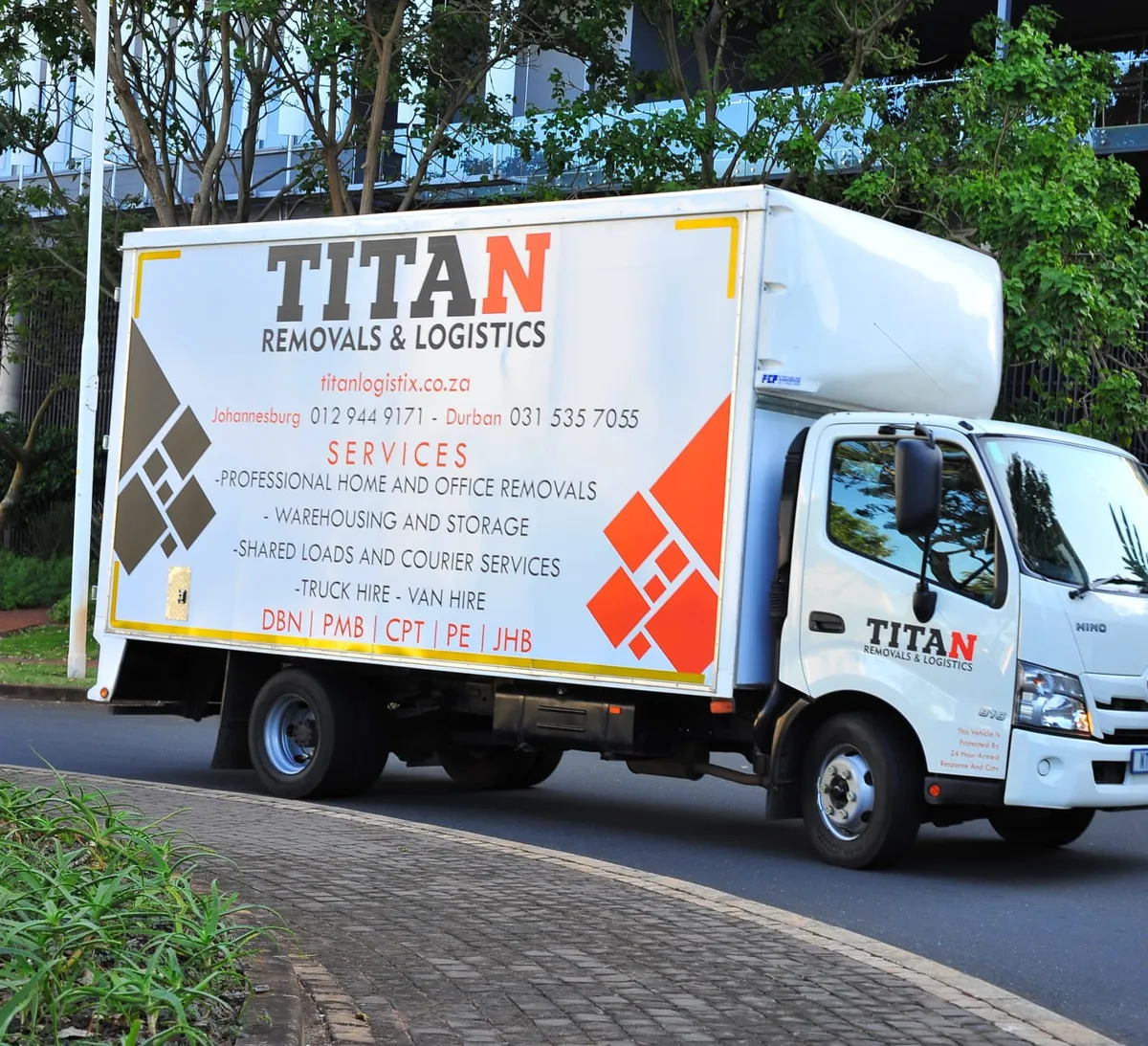
The moving industry faces unprecedented challenges in 2025. From severe labor shortages to supply chain disruptions, companies are being forced to innovate and adapt to maintain service quality while managing rising operational costs.
The Current State of Industry Challenges
The moving and logistics industry is experiencing a perfect storm of challenges that are reshaping how companies operate. Recent industry surveys indicate that 76% of moving companies are experiencing significant operational difficulties, with labor shortages being the most critical issue.
These challenges aren’t just temporary disruptions—they represent fundamental shifts in the labor market, supply chains, and customer expectations that require strategic, long-term solutions.
Major Industry Challenges
Critical Labor Shortage
The moving industry is facing its worst labor shortage in decades, affecting all levels of operations:
Impact Areas:
- Professional movers and packers
- Truck drivers and logistics coordinators
- Warehouse and storage personnel
- Customer service representatives
- Skilled supervisors and team leaders
Contributing Factors:
- Physically demanding work conditions
- Seasonal employment patterns
- Competition from other industries
- Aging workforce and limited recruitment
- Skills gap in specialized equipment operation
Industry Statistics:
• 65% of moving companies report difficulty finding qualified workers • Average time to fill positions has increased by 40% • Employee turnover rates have reached 85% annually
Supply Chain Bottlenecks
Ongoing supply chain issues continue to impact the availability and cost of essential moving supplies:
- Packing materials: 30% increase in costs for boxes, tape, and protective materials
- Vehicle parts: Extended lead times for truck maintenance and repairs
- Fuel costs: Volatile pricing affecting operational budgets
- Equipment availability: Delays in acquiring specialized moving equipment
Evolving Customer Expectations
Modern customers demand higher service levels while companies face operational constraints:
- Real-time tracking: Customers expect constant visibility into their move status
- Flexible scheduling: Demand for last-minute changes and accommodations
- Digital communication: Preference for app-based updates and interactions
- Sustainability focus: Growing demand for eco-friendly moving practices
Innovative Solutions and Adaptations
Despite these challenges, forward-thinking companies are implementing creative solutions to maintain service quality and operational efficiency:
Workforce Solutions
- • Enhanced compensation packages and benefits
- • Comprehensive training and certification programs
- • Flexible scheduling and work-life balance initiatives
- • Employee referral and retention bonuses
- • Career advancement pathways and skills development
Technology Integration
- • Automated scheduling and route optimization
- • Digital inventory management systems
- • Customer self-service portals and apps
- • Predictive analytics for demand forecasting
- • IoT sensors for equipment monitoring
Operational Efficiency
- • Lean operations and waste reduction
- • Strategic partnerships and subcontracting
- • Cross-training and multi-skilled teams
- • Inventory optimization and bulk purchasing
- • Performance metrics and continuous improvement
Customer Experience
- • Transparent communication and expectations
- • Proactive problem resolution
- • Value-added services and packages
- • Feedback systems and service improvements
- • Personalized service offerings
Case Studies: Success Stories in Challenge Management
Several companies have successfully navigated these challenges through innovative approaches:
Workforce Development Initiative
A major South African moving company partnered with local technical colleges to create a certified moving professional program, reducing recruitment time by 50% and improving employee retention by 35%.
Key Results:
• 200+ certified professionals trained annually • 90% job placement rate • 40% reduction in training costs
Technology-Driven Efficiency
Implementation of AI-powered route optimization and automated scheduling systems enabled a regional company to handle 30% more moves with the same workforce while reducing fuel costs by 25%.
Technology Stack:
• Machine learning algorithms • Real-time GPS tracking • Automated customer communications • Predictive maintenance systems
Strategic Partnership Network
A logistics company created a network of vetted subcontractors and independent movers, allowing them to scale operations during peak seasons without maintaining a large permanent workforce.
Network Benefits:
• 300% capacity increase during peak times • Reduced overhead costs • Geographic expansion • Quality control maintenance
Industry Outlook and Future Strategies
Looking ahead, the moving industry must continue evolving to address ongoing challenges while preparing for future disruptions:
Strategic Priorities for 2025-2027
Short-term Focus (2025)
- Immediate workforce stabilization through competitive compensation
- Technology adoption for operational efficiency
- Supply chain diversification and risk management
- Customer communication and expectation management
Long-term Vision (2026-2027)
- Industry-wide training and certification standards
- Automation and robotics integration
- Sustainable and circular economy practices
- Data-driven decision making and predictive analytics
How Customers Can Help
Customers play a crucial role in helping the industry navigate these challenges:
Flexible Planning
Book moves well in advance and be flexible with dates to help companies optimize scheduling and resource allocation.
- • Plan moves during off-peak seasons
- • Provide accurate inventory information
- • Be flexible with time windows
Realistic Expectations
Understand current industry constraints and work collaboratively with moving companies to achieve successful outcomes.
- • Allow extra time for complex moves
- • Communicate special requirements early
- • Be patient with scheduling adjustments